

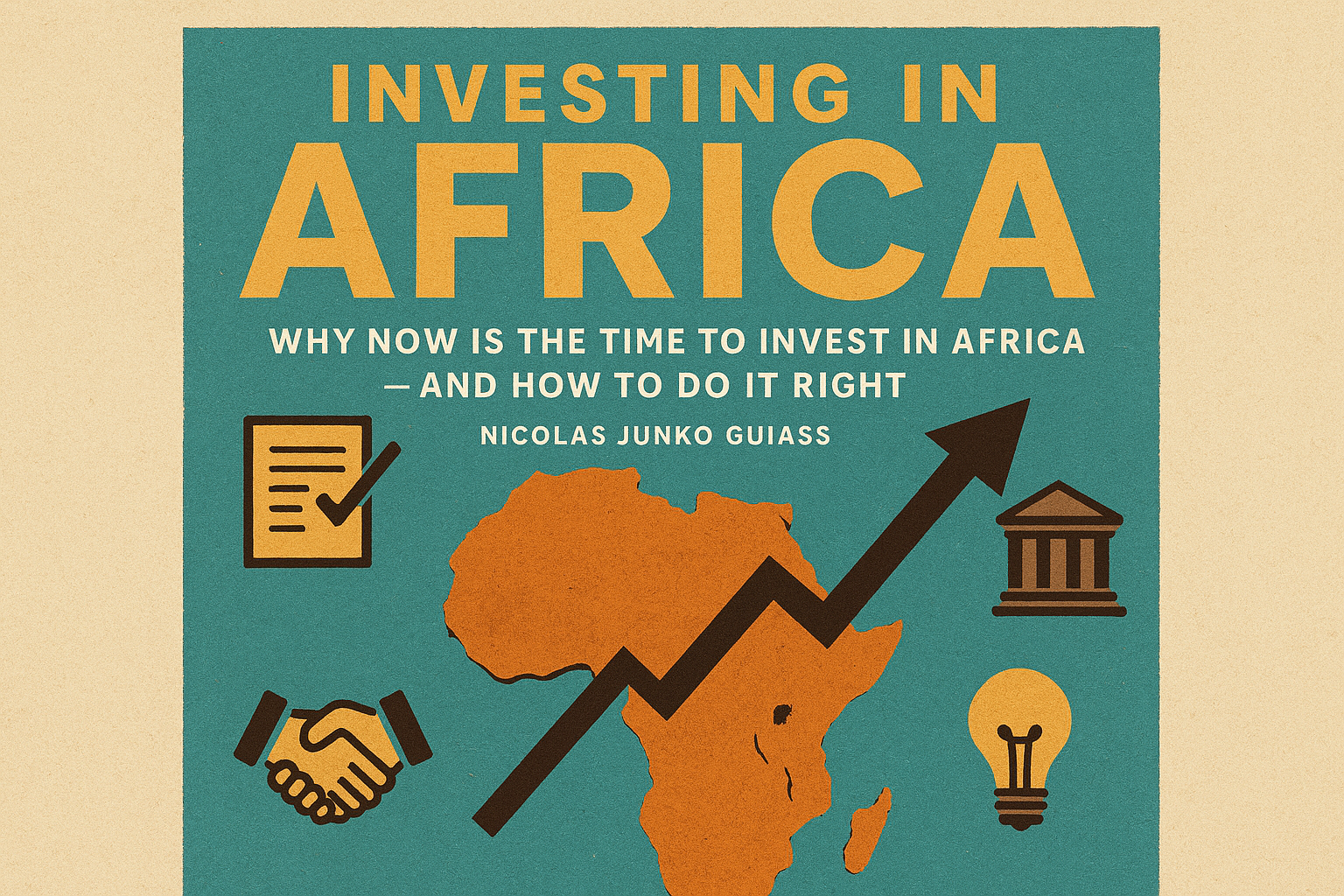
Africa is a promising destination with multisector investment opportunity. But how do you as an investor tap into this potential responsibly and profitably?
Here’s your simplified, demystified and designed for success step-by-step guide to investing in Africa.
1. Start with Your “Why”
Before you crunch numbers or scout locations, ask yourself: Why Africa?
Are you looking for:
- High returns?
- Long-term growth?
- Social impact?
- Diversification?
Africa offers all the above but clarity on your goals will shape your strategy. Whether you’re a seasoned investor or a curious entrepreneur, your “why” is your compass.
2. Pick Your Playground
Africa is a continent, not a country. It is made up of 54 nations, each with its own culture, economy, and legal system. Hence, choosing where to invest is crucial.
Start by looking at:
- Economic growth: Countries with a steadily growing CAGR like Rwanda, Kenya, Ghana, and Morocco etc.
- Stability: Political and regulatory environments matter.
- Sector strengths: Nigeria leads in fintech, Kenya in mobile money, Ethiopia in agriculture, and South Africa in infrastructure.
Pro tip: Don’t just follow the headlines. Dig deeper. Sometimes, the best opportunities are in the least expected places.
3. Know the Rules of the Game
Every country has its own investment laws, tax codes, and business practices. Some offer tax holidays, others have free trade zones or incentives for foreign investors.
Partner with local legal and financial advisors. They’ll help you navigate the red tape, understand land ownership laws, and ensure your investment is compliant from day one.
4. Do Your Homework (a.k.a. Due Diligence)
Africa is full of promise, but not without its complexities. Before signing any deal:
- Visit the site: nothing beats seeing it for yourself.
- Vet your partners: relationships are everything.
- Understand the market: who are your customers? What do they need?
This is where local knowledge becomes your superpower. Organizations like ABIMA have a widespread network across Africa and can support in finding and vetting the right local partners, providing you with useful local information.
5. Choose Your Entry Point
There’s no one-size-fits-all. Your entry strategy depends on your goals and resources:
- Start from scratch (Greenfield investment) if you want full control.
- Partner up (Joint ventures) to share risk and gain local insight.
- Buy in (M&A) for speed and scale.
- Franchise or license if you want a lighter footprint.
6. Build Local Bridges
Success in Africa is built on trust and relationships. Engage with:
- Local communities: they’re your future customers and allies.
- Government stakeholders: for permits, support, and policy insights.
- Local talent they bring cultural fluency and operational know-how.
And don’t forget Corporate Social Responsibility. In Africa, giving back isn’t just good PR it’s good business.
7. Secure Smart Capital
You don’t have to go it alone. Africa is a magnet for:
- Development finance institutions (like the African Development Bank)
- Impact investors looking for social and financial returns
- Sovereign wealth funds and private equity with long-term views
Explore blended finance models to reduce risk and amplify impact.
8. Plan for the Unexpected
Let’s be real, investing in emerging markets comes with risks. But smart investors don’t fear risk; they manage it.
- Get political risk insurance
- Use currency hedging tools
- Build contingency plans for supply chain or regulatory hiccups
9. Stay Agile, Stay Informed
Africa is evolving fast. What works today might need tweaking tomorrow. Stay plugged in:
- Follow local news and trends
- Join business councils and chambers of commerce
- Keep your strategy flexible and your ears open
10. Think Beyond Borders
With the African Continental Free Trade Area (AfCFTA), you’re not just investing in one country, you’re tapping into a 1.4-billion-person market. Regional integration is unlocking new trade routes, harmonizing regulations, and creating a single market that rivals the EU in scale. Be ready to scale across borders.
Africa Doesn’t Need Saving – It Needs Partners
Investing in Africa isn’t charity. It’s smart business. But it’s also a chance to be part of something bigger, to build, to empower, and to grow alongside a continent that’s rewriting its own story. Wondering where to start, ABIMA is always here to accompany you through the journey.
So, are you ready to be part of the next big thing?